
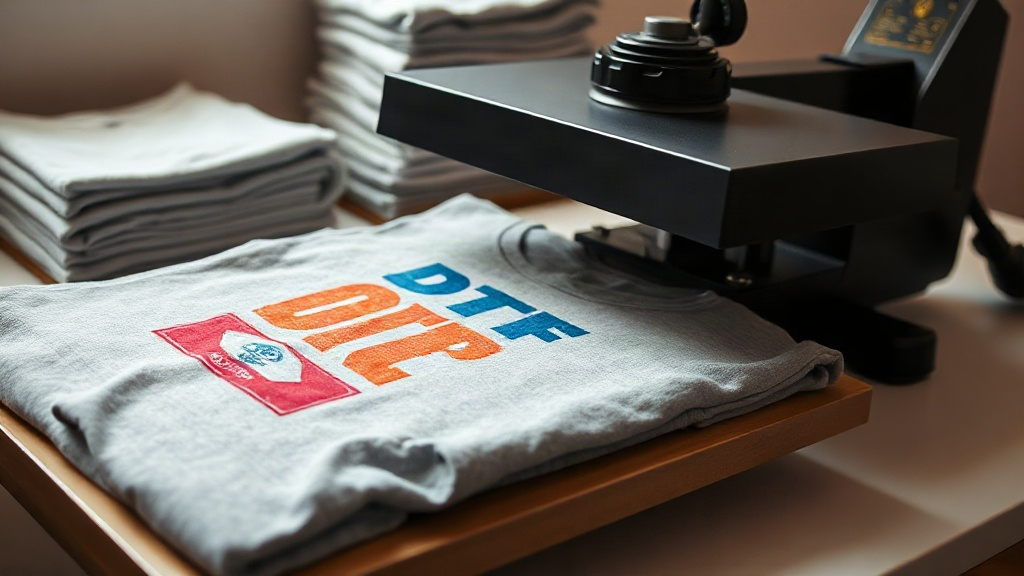
If you have ever peeled a DTF transfers sheet off a freshly pressed shirt only to find half the design stuck to the film, you know the frustration. The problem is rarely the transfer itself. More often, it comes down to the blank you chose and how you prepped it. I have spent the last three years running a small custom apparel shop, pressing thousands of transfers onto everything from budget tees to premium blends. Along the way, two blank brands kept coming up in customer requests: Shaka Wear and Smart Blanks. Both have loyal followings, but they behave very differently under a heat press. This guide shares what I have learned so you can avoid the trial and error I went through.
Why DTF Transfers Are Not One-Size-Fits-All
Direct-to-film printing has exploded in popularity because it works on almost any fabric. Cotton, polyester, blends, even nylon and canvas. But "works" does not mean "works the same everywhere." The adhesive powder on a DTF transfer needs to melt and bond with the fabric fibers. If the fabric has a heavy finish, a tight weave, or a high synthetic content, the bond can fail. That is why the same transfer that peels perfectly on a 100% cotton Gildan might crack on a poly-heavy performance tee.
Understanding your blank is half the battle. The other half is dialing in your press settings. Let us look at how Shaka Wear and Smart Blanks fit into that picture.
Shaka Wear: Heavyweight Cotton with a Smooth Surface
Shaka Wear has built a reputation for thick, durable tees that feel substantial in hand. Their classic 7.5 oz cotton tee is a favorite among streetwear brands and anyone who wants a blank that does not feel flimsy. From a DTF perspective, that weight is a blessing. The fabric can take higher heat without scorching, and the tight knit gives the transfer a smooth canvas to adhere to.
In my shop, Shaka Wear tees consistently produce vibrant, opaque prints. The cotton fibers grab the adhesive powder well, and after a proper press, the design stretches with the shirt without cracking. That said, there is a catch. Shaka Wear often uses a soft, garment-dyed finish on some of their styles. That finish can act as a barrier. If you press a transfer onto a garment-dyed Shaka tee without pre-pressing, you risk the design flaking off after a few washes.
Pressing Tips for Shaka Wear
- Pre-press the shirt for 5 to 7 seconds at 330°F to remove moisture and relax the fabric.
- Use medium pressure. Too much pressure can flatten the thick cotton and cause the transfer to spread.
- Press at 320°F to 330°F for 15 seconds. Peel warm or cold, depending on the film manufacturer. I prefer cold peel for Shaka because it reduces the chance of stretching the print.
- After peeling, do a second press with a Teflon sheet for 5 seconds to fully set the adhesive.
One more thing: Shaka Wear tees tend to shrink slightly after the first wash. If you are printing a design that needs to align with a pocket or seam, account for that shrinkage by sizing up or pre-washing your blanks.
Smart Blanks: Affordable and Surprisingly DTF-Friendly
Smart Blanks occupies a different space. These are budget-friendly tees often used for promotional events, team uniforms, and giveaways. The first time I pressed a DTF transfer onto a Smart Blanks tee, I expected mediocre results. I was wrong. The fabric, typically a cotton-poly blend, actually accepts DTF transfers quite well, provided you adjust your settings.
The poly content in Smart Blanks means you need to be careful with temperature. Polyester fibers can scorch or melt at high heat, and they can also cause dye migration. If you press a white transfer onto a dark poly-blend Smart Blanks tee at too high a temperature, the shirt's dye can bleed into the transfer, turning your crisp white design into a muddy mess. I learned that lesson the hard way with a batch of red tees.
Pressing Tips for Smart Blanks
- Check the fabric content. If it is a 50/50 blend, lower your press temperature to 300°F to 310°F.
- Use a low-migrating DTF film if you are pressing onto dark colors. This film has a special barrier that blocks dye.
- Pre-press for 5 seconds to smooth wrinkles and remove sizing.
- Press for 12 to 15 seconds with medium-firm pressure. Peel cold for best results.
- Wash the garment inside out in cold water and hang dry to extend the life of the print.
Smart Blanks tees are not as heavy as Shaka Wear, so they feel lighter and more breathable. For summer events or casual wear, that is a plus. Just do not expect the same bulletproof durability. With proper care, a DTF print on Smart Blanks can last 20 to 30 washes. On Shaka Wear, you can easily double that.
Comparing the Two for DTF Production
When I quote a job, I consider the end use. For a customer who wants a premium retail feel and long-lasting print, I steer them toward Shaka Wear. The heavier cotton and tighter weave give a more professional finish. For a client on a tight budget who needs 100 shirts for a one-day event, Smart Blanks makes sense. The savings are significant, and the print quality is still good enough to impress.
From a production standpoint, Shaka Wear is more forgiving. The fabric tolerates a wider temperature range, and I rarely have to worry about dye migration. Smart Blanks requires a bit more attention, especially with dark colors. But if you dial in your settings and use the right film, it performs reliably.
Common Mistakes to Avoid with DTF Transfers
Even with the right blank, things can go wrong. Here are the mistakes I see most often, and how to fix them.
- Skipping the pre-press. Moisture and fabric finishes are the enemy of adhesion. Always pre-press.
- Using too much pressure. This can cause the transfer to spread and lose detail. Medium pressure is usually enough.
- Peeling too soon. If you peel hot when the film is designed for cold peel, the design can stretch or tear.
- Ignoring fabric content. A 100% poly shirt needs different settings than a 100% cotton one. Read the label.
- Washing too soon. Wait at least 24 hours before the first wash to let the adhesive fully cure.
I also recommend keeping a notebook or spreadsheet with your settings for each blank type. After a few jobs, you will have a reference that saves you time and wasted transfers.
Wash Care That Actually Works
No matter how good your press job is, improper washing will kill a DTF print. Tell your customers to turn the garment inside out, use cold water, and avoid fabric softener. Tumble dry on low or hang dry. If they follow those three rules, the print will outlast the shirt itself. I have a Shaka Wear tee I printed two years ago that still looks nearly new, and I wear it weekly.
Frequently Asked Questions
Can I use DTF transfers on 100% polyester Shaka Wear shirts?
Shaka Wear is known for cotton, but they do offer some poly blends. If you are working with a high-poly shirt, lower your temperature to 300°F and use a low-migrating film. Always test on a scrap piece first.
Do Smart Blanks require a special DTF film?
Not necessarily, but for dark colors, a low-migrating film is highly recommended to prevent dye bleed. For light colors, standard DTF film works fine.
How long should I press DTF transfers on Shaka Wear?
For most Shaka Wear cotton tees, press at 320°F to 330°F for 15 seconds with medium pressure. Cold peel, then a 5-second second press.
Why did my DTF transfer crack after washing on Smart Blanks?
Cracking usually means the transfer was not fully cured or the wash was too hot. Increase your press time slightly, ensure even pressure, and always wash inside out in cold water.
Can I stretch a DTF print on Shaka Wear without it breaking?
Yes, if the transfer is properly applied. DTF prints have some elasticity, but they are not infinitely stretchable. Avoid overstretching the garment when wearing or removing it.
Final Thoughts
Choosing between Shaka Wear and Smart Blanks for your DTF transfers comes down to your priorities. If durability and a premium feel matter most, Shaka Wear is the clear winner. If budget and volume are your focus, Smart Blanks delivers solid results with a little extra care. Either way, mastering your press settings and following the tips above will help you produce prints that customers love and that stand up to real life.