
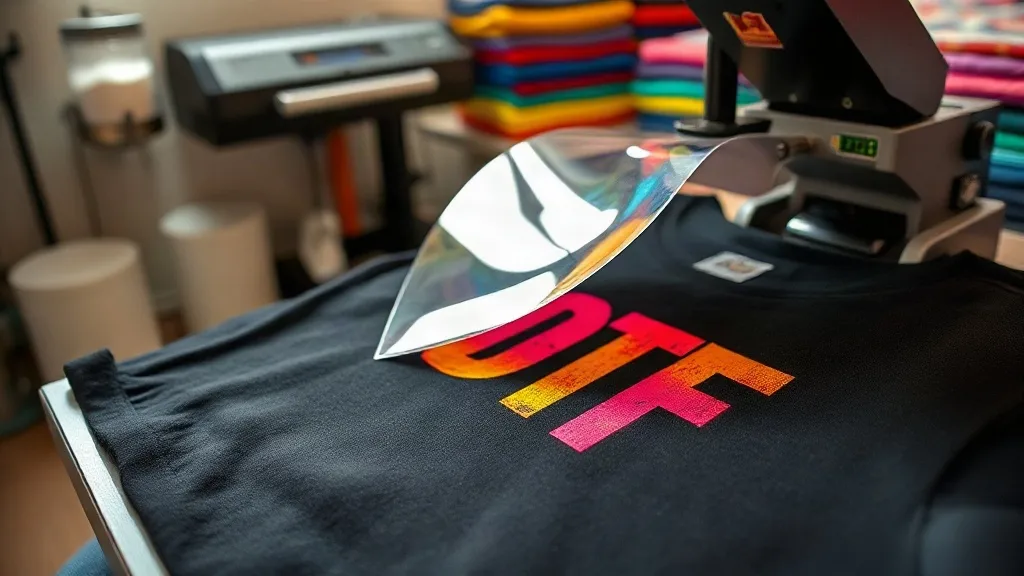
If you've been exploring custom apparel printing, you've likely encountered dtf transfers. This innovative technology is changing the way we think about fabric printing, offering vibrant colors and exceptional durability on a wide range of materials. Whether you're a hobbyist, a small business owner, or just curious about the latest printing trends, understanding DTF transfers can open up a world of creative possibilities.
What Are DTF Transfers?
DTF stands for Direct to Film. It's a printing method where your design is printed onto a special film, then coated with a powder adhesive, and finally heat-pressed onto fabric. Unlike other methods that require pre-treatment or specific fabrics, dtf transfers work on almost any material, including cotton, polyester, blends, and even nylon. The process is relatively simple: print, powder, cure, and press. The result is a soft, stretchable print that holds up wash after wash.
Why Choose DTF Transfers?
There are several reasons why DTF transfers have become a favorite among printers and creators. Here are the key benefits:
- Versatility: Works on virtually any fabric, including dark and light colors, without the need for special pretreatment.
- Durability: The prints are highly resistant to cracking, peeling, and fading, even after multiple washes.
- Vibrant colors: DTF transfers can produce incredibly bright and detailed designs, including photographic images and gradients.
- Cost-effective: No need for expensive equipment like screen printing setups; a standard printer and heat press can get you started.
- Quick turnaround: Once the film is prepared, pressing takes only seconds, making it ideal for small batches and on-demand orders.
How to Apply DTF Transfers
Applying DTF transfers is straightforward, but following the correct steps ensures a professional and long-lasting result. Here's a step-by-step guide:
- Preheat your heat press to the recommended temperature (usually around 150-160°C or 300-320°F).
- Pre-press the garment for a few seconds to remove moisture and wrinkles.
- Place the DTF transfer on the garment with the printed side facing up.
- Press with medium pressure for 10-15 seconds.
- Peel the film while it's still hot (or cold, depending on the film type). Most DTF films are hot peel, but always check the instructions.
- Post-press for another 5 seconds with a protective sheet or parchment paper to ensure the print is fully embedded.
For best results, always test on a scrap piece of fabric first and adjust temperature and pressure as needed.
Common Challenges and How to Overcome Them
Even though DTF is user-friendly, beginners might face a few hiccups. Here are some common issues and their solutions:
Adhesive Residue
Sometimes, a sticky residue may remain around the design after peeling. This is usually caused by insufficient pressure or temperature. Try increasing the pressure or temperature slightly and ensure the film is pressed evenly.
Faded or Cracked Prints
If the print looks faded or cracks after washing, it might be due to undercuring the powder or pressing at too low a temperature. Make sure the powder is fully melted during the curing process (you can tell by the glossy finish) and that the press is hot enough.
Film Not Peeling Properly
If the film sticks and tears, it's often because the press temperature is too high or the peel was attempted too soon. Allow the transfer to cool completely if it's a cold-peel film, or adjust the temperature down a bit.
DTF vs. Other Printing Methods
How does DTF stack up against other popular printing techniques? Let's compare:
- DTF vs. DTG (Direct to Garment): DTG requires pretreatment and works best on 100% cotton. DTF is more versatile and doesn't need pretreatment, but DTG can produce softer prints on cotton.
- DTF vs. Screen Printing: Screen printing is cost-effective for large orders but requires separate screens for each color. DTF is better for small batches and complex designs with many colors.
- DTF vs. Vinyl (HTV): HTV is great for simple shapes and text but can't handle intricate details or gradients. DTF excels at photographic and multi-color designs.
Each method has its strengths, but DTF's flexibility makes it a strong contender for a wide range of projects.
Finding DTF Transfers Near You
If you're looking to try DTF transfers but don't want to invest in the equipment, you can order pre-printed transfers online or find local services. Searching for dtf transfers near me can help you locate a provider who can print and ship custom transfers directly to your door. Many online suppliers offer fast turnaround and competitive prices, making it easy to get started without a big upfront cost.
Tips for Storing and Handling DTF Transfers
To maintain the quality of your DTF transfers before use, store them in a cool, dry place away from direct sunlight. Keep them in a sealed bag to prevent dust and moisture from affecting the adhesive. When handling, try to touch only the edges to avoid contaminating the print area with oils from your skin.
Frequently Asked Questions
Can I use DTF transfers on dark colored shirts?
Absolutely! DTF transfers are ideal for dark fabrics because the white ink layer in the transfer provides a bright base for the colors to pop. You don't need to change your design or use a separate white underbase.
How long do DTF transfers last?
With proper application and care, DTF transfers can last as long as the garment itself. They are resistant to cracking and fading, and can withstand dozens of washes if you follow the care instructions (wash inside out, avoid bleach, tumble dry low).
Do I need a special printer for DTF?
Yes, DTF printing requires a printer that uses DTF ink (often a modified inkjet printer) and a powder shaker. However, if you're not ready to invest, you can order pre-printed transfers from a service and just use a heat press to apply them.
What is the best temperature for pressing DTF transfers?
Most DTF transfers are pressed at 150-160°C (300-320°F) for 10-15 seconds. However, always check the instructions provided by your transfer supplier, as films and powders can vary.
Can I stretch DTF prints?
Yes, DTF prints are known for their elasticity. They stretch with the fabric without cracking, making them great for sportswear and stretchy materials.