
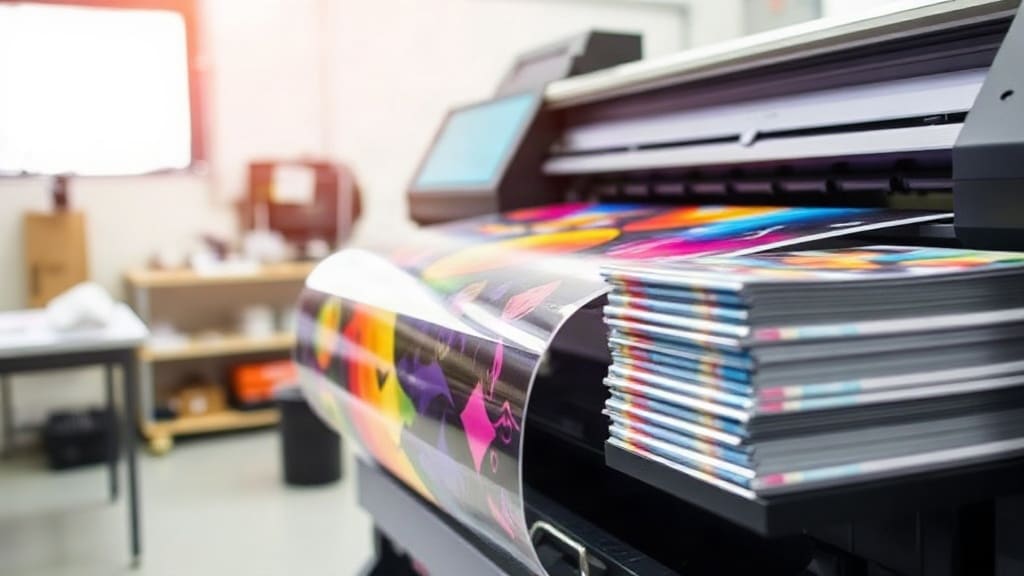
Direct-to-film (DTF) printing has revolutionized the custom apparel industry, offering vibrant, durable, and versatile transfers. If you're searching for DTF services, you've probably typed "DTF transfers near me" into your search bar. But finding a local provider isn't just about proximity; it's about quality, reliability, and value. In this guide, I'll walk you through everything you need to know to select the best DTF transfers provider in your area, ensuring your projects turn out perfect every time.
What Are DTF Transfers and Why Are They So Popular?
DTF printing involves printing your design onto a special PET film, applying adhesive powder, and then heat-pressing the film onto a substrate, typically a t-shirt or other fabric. The result is a soft, stretchable, and highly detailed print that rivals traditional screen printing.
The popularity of DTF has skyrocketed due to its versatility. It works on various materials, including cotton, polyester, blends, and even leather. Unlike heat transfer vinyl (HTV), DTF allows for intricate, full-color designs without weeding. Plus, the transfers have a long shelf life, making them an excellent choice for both one-off orders and bulk production.
Key Factors to Consider When Choosing a DTF Transfer Provider
Not all DTF providers are created equal. To ensure you get high-quality transfers that meet your expectations, evaluate potential vendors based on these criteria:
1. Print Quality and Resolution
The most critical aspect is the quality of the printed transfer. Look for providers who use high-resolution printers (at least 1200 dpi) and vibrant, fade-resistant inks. Ask for samples or check their portfolio to see if their prints have sharp edges, smooth gradients, and accurate colors. A good provider will be transparent about their equipment and materials.
2. Film and Ink Quality
DTF transfers consist of a film base and a powder adhesive. The film should be sturdy yet flexible, and the adhesive should be evenly applied. High-quality inks, such as water-based or eco-solvent, produce better color vibrancy and washability. Some providers use cheaper inks that crack or fade after a few washes, so it's worth asking about their ink type.
3. Turnaround Time
Depending on your needs, turnaround time can be a deal-breaker. If you're a business with tight deadlines, find a provider that offers expedited services. Many local suppliers offer same-day or next-day turnaround for small orders. However, be cautious: extremely fast turnaround might compromise quality, so balance speed with reliability.
4. Pricing Structure
Pricing varies significantly among providers. Some charge per square foot, while others have flat rates per transfer. Inquire about setup fees, color charges, and shipping costs if applicable. It's also wise to compare quotes from multiple vendors to ensure you're getting a fair price without sacrificing quality.
5. Customer Support and Communication
Working with a local provider often means you can visit their facility or talk directly to a representative. Good communication is essential, especially if you have custom requirements or need design assistance. A provider that responds promptly and offers helpful advice is invaluable, especially for beginners in DTF printing.
6. Reviews and Reputation
Before committing, check online reviews on Google, Yelp, or social media. Look for consistent positive feedback about quality, reliability, and customer service. Also, ask for references or testimonials from other local businesses that have used their services. A provider with a solid reputation in your community is more likely to deliver satisfactory results.
How to Test a DTF Transfer Provider
Once you've narrowed down your options, it's wise to conduct a small test order before making a bulk purchase. Here's a simple testing process:
- Provide a simple design with solid colors and fine lines to assess print clarity.
- Ask for a transfer on both cotton and polyester to see how they handle different materials.
- Wash the test garment multiple times to check for cracking, peeling, or fading.
- Evaluate the softness of the print and its stretchability.
This hands-on approach will give you a clear idea of what to expect from the provider.
Benefits of Using a Local DTF Transfer Provider
Choosing a local provider offers several advantages over online-only companies:
- Faster shipping (often no shipping at all if you pick up).
- Ability to inspect the facility and see the printing process firsthand.
- Easier communication, especially if you need to discuss design tweaks.
- Supporting local businesses, which can foster a sense of community.
- Potential for bulk discounts and long-term partnerships.
Red Flags to Avoid
While many providers are excellent, some may cut corners. Watch out for these warning signs:
- Unusually low prices: If it's too good to be true, the quality likely suffers.
- Lack of transparency about equipment or materials.
- No samples or portfolio available.
- Poor communication or slow response times.
- Negative reviews that highlight consistent issues like peeling or color bleeding.
Frequently Asked Questions
How much do DTF transfers typically cost?
Pricing varies, but most providers charge between $2 and $8 per square foot, depending on the complexity of the design and the quantity ordered. Setup fees may apply for new designs. It's best to request a quote based on your specific needs.
Can I use DTF transfers on dark-colored garments?
Yes, DTF transfers work excellently on dark fabrics. Unlike some other methods, you don't need a white underbase because the transfer itself includes a white layer. However, ensure your design has proper white opacity for best results.
How many washes can a DTF transfer withstand?
High-quality DTF transfers can withstand 40-60 washes without significant fading or cracking, especially if you follow care instructions like washing in cold water and avoiding bleach. Always ask your provider about their product's washability.
Do I need to buy my own DTF printer?
Not necessarily. Many businesses start by outsourcing to a local provider to test the market. Once you have consistent demand, you might consider investing in your own equipment for greater control and cost savings.
What is the minimum order quantity for DTF transfers?
Many providers offer no minimum order, making DTF ideal for small businesses and hobbyists. Some may have a minimum square footage or a small setup fee, but you can usually order just one transfer if needed.
Final Thoughts
Finding a reliable DTF transfers near me doesn't have to be a daunting task. By focusing on print quality, materials, turnaround, pricing, and customer service, you can identify a provider that meets your needs. Remember to test with a small order and build a relationship with a vendor you trust. With the right partner, you'll produce stunning custom apparel that keeps your customers coming back for more. Whether you're a seasoned printer or just starting, investing time in choosing the right provider is key to your success.