
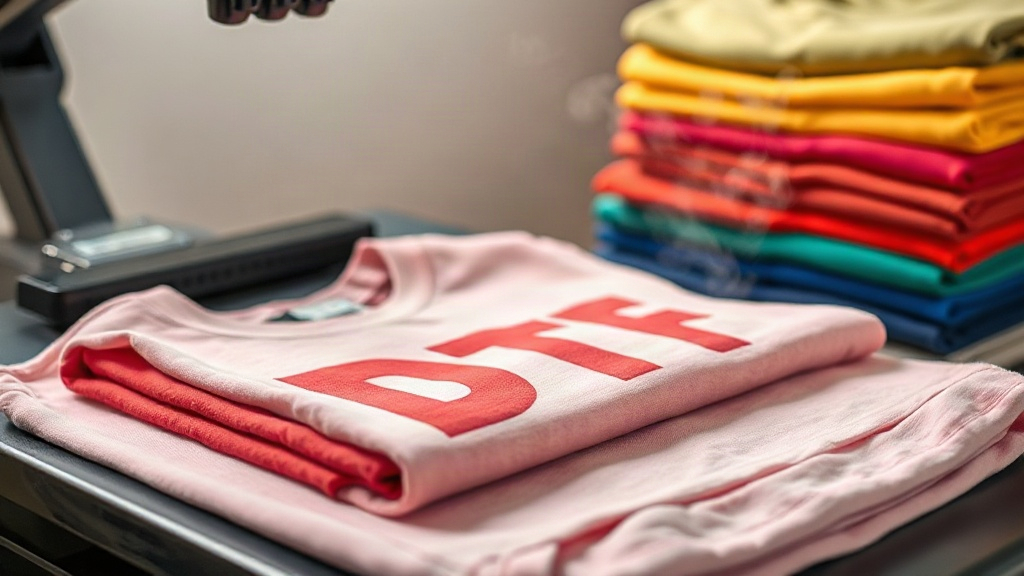
When you first dive into the world of custom apparel, the options can feel overwhelming. Screen printing, heat transfer vinyl, sublimation, and DTF transfers each have their own strengths. But if you're looking for a method that combines vibrant colors, fine detail, and incredible durability without breaking the bank, DTF transfers are a game-changer. In this guide, I'll share what I've learned from years of pressing transfers onto thousands of garments, and how choosing the right blank, like those from Shaka Wear and Smart Blanks, can make or break your final product.
What Are DTF Transfers and Why They Matter
DTF stands for Direct to Film. The process involves printing your design onto a special PET film using water-based inks, coating it with a hot-melt adhesive powder, and then curing it. When you're ready to apply, you heat press the transfer onto your garment, peel away the film, and the design remains bonded to the fabric. Unlike vinyl, DTF transfers can handle intricate gradients, photographs, and fine lines with ease. And unlike screen printing, you don't need multiple screens or setup fees for multi-color designs, which makes them perfect for small businesses, hobbyists, and anyone who wants one-off custom pieces.
But not all DTF transfers are created equal. The quality of the film, ink, and powder significantly affects how the final print looks and feels. Cheap transfers might crack after a few washes or have a plastic-like hand. High-quality transfers, on the other hand, stretch with the fabric and stay soft. That's why sourcing from a reputable supplier is crucial.
Choosing the Right Blank for DTF Transfers
The garment you press onto is just as important as the transfer itself. Different fabrics and blends react differently to heat and adhesive. For best results, you want a blank that is smooth, tightly woven, and can withstand the heat press without scorching. Let's look at two popular options: Shaka Wear and Smart Blanks.
Shaka Wear: Heavyweight and Durable
Shaka Wear is known for its heavyweight cotton tees, often 6.0 oz or heavier. These shirts have a substantial feel and hold up well to repeated washing. The tight knit provides a smooth surface for DTF transfers, allowing the adhesive to grip evenly. I've pressed countless transfers onto Shaka Wear tees, and the results are consistently sharp with no bleeding or fading. Plus, the heavyweight fabric disguises the slight hand of the transfer, making it feel like part of the shirt.
One thing to note: because Shaka Wear tees are heavier, you may need to adjust your press settings slightly. I typically use a temperature of 325°F, medium pressure, and 15 seconds for the initial press, then 5 seconds after peeling. Always test with a scrap piece first.
Smart Blanks: Affordable and Consistent
If you're looking for a budget-friendly option without sacrificing quality, Smart Blanks are a fantastic choice. Their tees are lightweight and soft, often a cotton-poly blend, which makes them comfortable for everyday wear. The poly content actually helps DTF transfers adhere better because the adhesive bonds well with synthetic fibers. I've found that transfers on Smart Blanks feel incredibly soft and stretchy, almost like they're part of the fabric.
However, because Smart Blanks are lighter, you need to be careful with heat settings. Too much heat can cause scorching or dye migration, especially on darker colors. I recommend using a lower temperature (around 300°F) and checking after 10 seconds. The key is to find the sweet spot where the adhesive activates without damaging the fabric.
Step-by-Step Guide to Applying DTF Transfers
Now that you have your transfers and blanks, let's walk through the application process. Follow these steps for a flawless finish.
- Preheat your press. Set the temperature according to your transfer supplier's recommendations. For most DTF transfers, 300-325°F is ideal.
- Pre-press the garment. This removes moisture and wrinkles. Press for 3-5 seconds.
- Position the transfer. Place the transfer face down on the garment. If your transfer has a carrier film, make sure the printed side is against the fabric.
- Press. Apply medium to firm pressure for 10-15 seconds. Don't use too much pressure, or the image may spread.
- Peel. Wait a few seconds for the transfer to cool slightly, then peel the film off in a smooth, consistent motion. If you peel too hot, the design may stretch; too cold, and it might crack.
- Post-press. Cover the design with a Teflon sheet or parchment paper and press for another 5-10 seconds to fully set the adhesive.
After pressing, let the garment cool completely before folding or wearing. This allows the adhesive to fully cure.
Common Mistakes to Avoid
Even with experience, it's easy to slip up. Here are a few pitfalls I've encountered and how to avoid them.
- Using too much heat. This can cause the transfer to burn, the adhesive to over-melt, or the garment to scorch. Always start lower and increase if needed.
- Not pre-pressing. Skipping this step can lead to moisture trapped under the transfer, causing bubbles or poor adhesion.
- Peeling too fast. Slow and steady wins the race. Ripping the film off can distort fine details.
- Ignoring fabric type. Not all blanks are created equal. Always test on a scrap piece, especially with blends.
Why Quality Blanks Matter for Longevity
You might be tempted to save money by using the cheapest blanks you can find. But in my experience, that's a false economy. Low-quality blanks often have inconsistent fabric, which leads to uneven adhesion, premature fading, or worse, the transfer peeling off after a few washes. Both Shaka Wear and Smart Blanks are manufactured with consistency in mind, so you can trust that each shirt will yield the same great results. Plus, they offer a range of colors and sizes, making them versatile for any project.
When you combine premium DTF transfers with these blanks, you're setting yourself up for success. Your customers will notice the difference in feel and durability, and that translates to repeat business.
Frequently Asked Questions
How do I store DTF transfers before use?
Keep them in a cool, dry place away from direct sunlight. Humidity can cause the powder to clump, so storing them in an airtight bag with a desiccant pack is a good idea.
Can I use DTF transfers on 100% polyester?
Yes, but you need to be cautious with temperature. Polyester can scorch easily, so use a lower temperature (around 280-300°F) and test first. Also, some polyesters may experience dye migration, so consider using a blocker or choosing light-colored transfers.
What's the best way to wash garments with DTF transfers?
Turn the garment inside out and wash in cold water with mild detergent. Avoid bleach and fabric softeners. Tumble dry low or hang dry. This will maximize the life of your print.
Do I need a commercial heat press?
While a commercial press gives the most consistent results, a high-quality home press can work for small batches. Just make sure it can maintain even temperature and pressure across the platen.
How long do DTF transfers last?
With proper application and care, DTF transfers can last 50+ washes without significant fading or cracking. Using quality blanks like Shaka Wear and Smart Blanks further extends the life of the print.
I hope this guide helps you get started with DTF transfers. Remember, the key to success is experimentation and using reliable materials. Happy pressing!