
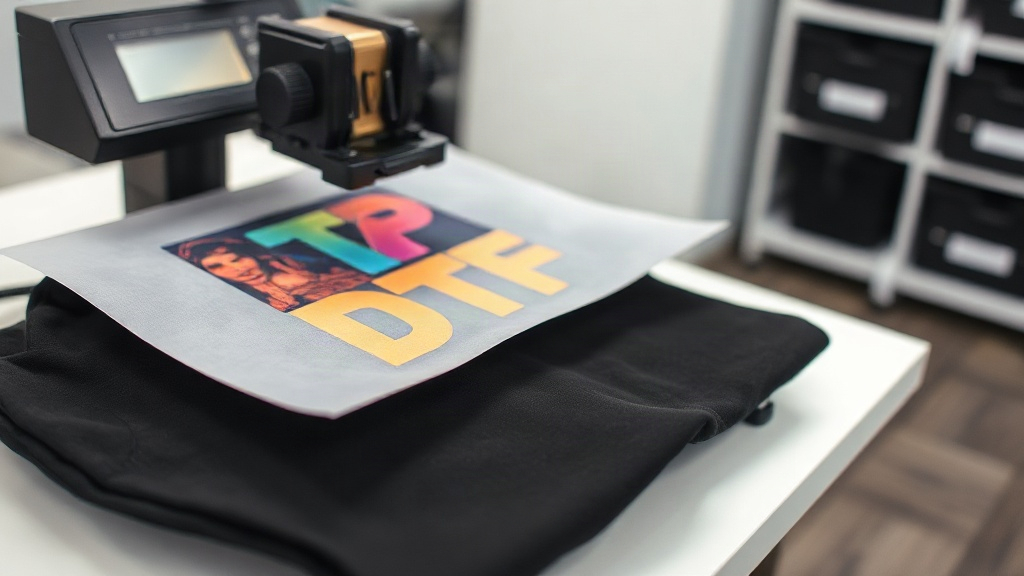
Imagine pressing a vibrant, full-color design onto a dark cotton t-shirt without worrying about weeding or layered vinyl. That's the promise of DTF transfers. If you've been curious about this printing method but aren't sure where to start, you're in the right place. This guide walks you through the entire process, from understanding the technology to applying your first transfer like a pro. Whether you're a small business owner, a craft hobbyist, or just someone who loves custom apparel, DTF transfers offer a versatile and accessible way to bring your ideas to life.
What Are DTF Transfers?
DTF stands for Direct to Film. It's a printing technique where your design is printed onto a special film, coated with a adhesive powder, and then heat-pressed onto fabric. Unlike DTG (Direct to Garment) or screen printing, DTF transfers work on a wide range of materials, including cotton, polyester, blends, and even some treated leathers. The process involves a printer that uses pigment-based inks to create the image on a PET film. After printing, a fine thermoplastic powder is applied to the wet ink, which acts as the adhesive when heated. The film is then cured, and once cooled, it's ready to be transferred.
What sets DTF apart is its ability to produce highly detailed, multi-color designs without the need for separate screens or color separation. This makes it ideal for small batches, complex artwork, and on-demand production. Plus, the prints are stretchable and durable, often outlasting the garment itself.
Why Choose DTF Transfers Over Other Methods?
If you're comparing printing options, here are a few reasons DTF might be your best bet:
- No color limits: Print gradients, photographs, and fine details with ease.
- Fabric versatility: Works on cotton, polyester, nylon, and more.
- Durability: Prints resist cracking, peeling, and fading after repeated washes.
- Cost-effective for short runs: No setup fees or minimum orders.
- Soft hand feel: Modern DTF films and powders produce a flexible, lightweight finish.
For a deeper dive into how DTF compares to vinyl and DTG, check out our other articles.
Step-by-Step: How to Apply DTF Transfers
Applying a DTF transfer is straightforward, but attention to detail ensures a professional result. Here's what you need:
Tools and Materials
- Heat press (or iron with no steam)
- DTF transfer film with your design
- Garment or fabric
- Heat-resistant tape (optional)
- Parchment paper or Teflon sheet
Step 1: Prepare Your Workspace
Set your heat press to the recommended temperature, typically 300-325°F (150-160°C). Pre-press the garment for a few seconds to remove moisture and wrinkles. This step is crucial for proper adhesion.
Step 2: Position the Transfer
Place the DTF transfer film onto the garment with the printed side facing up. If your design has fine details, use heat-resistant tape to hold it in place.
Step 3: Press
Cover the transfer with parchment paper or a Teflon sheet. Press with medium pressure for 15-20 seconds. For best results, follow the specific instructions provided by your transfer supplier, as times and temperatures can vary.
Step 4: Peel
After pressing, allow the transfer to cool completely before peeling off the film. This is known as a "cold peel." Peeling while hot can cause the design to distort or lift.
Step 5: Post-Press (Optional)
For added durability, you can press the design again for a few seconds with a cover sheet. This helps the adhesive fully bond with the fabric.
Common Mistakes to Avoid
Even experienced crafters run into issues. Here are pitfalls to watch for:
- Insufficient pressure: Leads to poor adhesion and early peeling.
- Wrong temperature: Too low and the powder won't melt; too high and the film may scorch.
- Peeling too soon: Always wait for the transfer to cool.
- Using steam: Moisture interferes with the adhesive.
- Ignoring fabric type: Some fabrics require lower temperatures or special handling.
Choosing the Right DTF Transfer Supplier
Not all DTF transfers are created equal. Quality varies based on ink, film, and powder. When sourcing transfers, consider:
- Ink quality: Look for vibrant, wash-resistant pigments.
- Film thickness: Thinner films conform better to fabric textures.
- Powder type: Fine, uniform powder ensures smooth adhesion.
- Customer reviews: Check feedback on durability and color accuracy.
- Turnaround time: If you're on a deadline, choose a supplier with fast production.
At DTF Transfers Press, we specialize in high-quality transfers that deliver consistent results. Our team can help you select the right options for your project.
DTF Transfers for Business and Hobby
DTF transfers open up possibilities for both personal and commercial use. Small businesses love the low startup costs and ability to offer custom apparel without inventory. Hobbyists appreciate the creative freedom and professional-looking results. If you're selling products, ensure your transfers meet safety standards, especially for children's clothing. Always test washability and stretchability to guarantee customer satisfaction.
Frequently Asked Questions
How long do DTF transfers last?
With proper application and care, DTF transfers can last as long as the garment. They withstand dozens of washes without fading or cracking when laundered inside out in cold water and dried on low heat.
Can I apply DTF transfers with a home iron?
Yes, but it's trickier. You'll need a firm, flat surface and consistent pressure. A heat press is recommended for reliable results, especially for larger designs.
Do DTF transfers work on dark colors?
Absolutely. Unlike some methods, DTF prints a white underbase automatically, so colors pop on dark fabrics without extra steps.
What fabrics are not suitable for DTF?
Fabrics with heavy textures (like ribbed knits) or those that can't withstand heat (like some nylons or waterproof materials) may not work well. Always test a small area first.
How should I store unused DTF transfers?
Keep them in a cool, dry place away from direct sunlight. Avoid folding or creasing the film, as this can damage the adhesive layer.
Ready to elevate your custom apparel game? Explore our range of DTF transfers and experience the difference quality makes.