
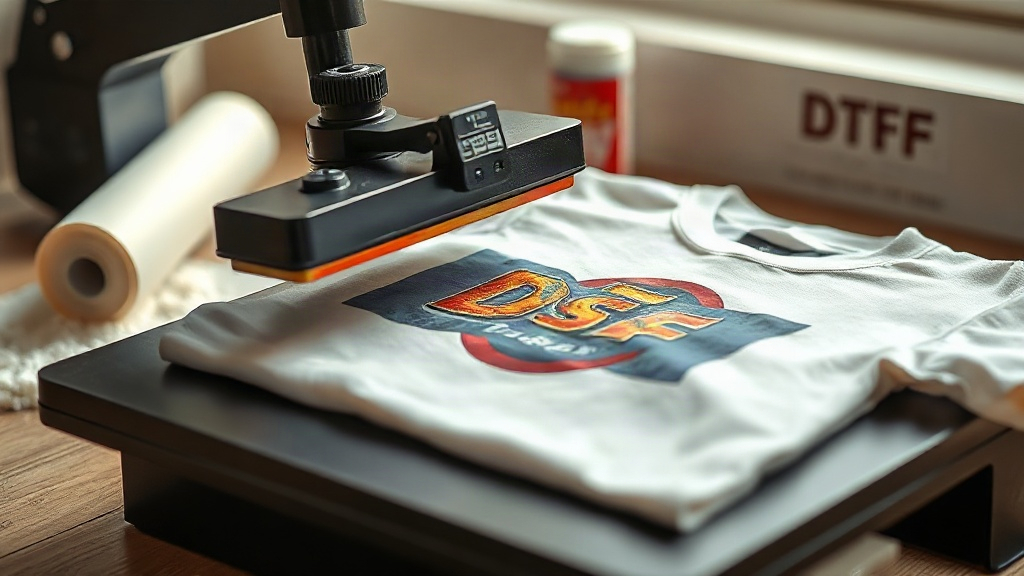
If you've been exploring custom apparel printing, you've likely encountered DTF Transfers. This technology has rapidly gained popularity for its versatility and vibrant results. Unlike traditional methods, DTF transfers allow you to print full-color designs on a wide range of fabrics with impressive durability. In this guide, I'll walk you through everything you need to know to get started with DTF transfers, from the basics to pro tips.
What Are DTF Transfers?
DTF stands for Direct-to-Film. It's a printing method where your design is printed onto a special film, coated with adhesive powder, and then heat-pressed onto the fabric. The result is a soft, stretchable print that bonds well to cotton, polyester, blends, and even treated nylon. Because the design is printed on film first, you can achieve intricate details and gradients without the color limitations of screen printing or the cutting required for vinyl.
How DTF Transfers Differ from Other Methods
Compared to DTG (Direct-to-Garment), DTF transfers don't require pre-treatment and work on darker colors without a white underbase. Unlike sublimation, they adhere to cotton fabrics. And unlike vinyl, they handle complex multi-color designs with ease. This makes DTF a go-to for small businesses and hobbyists who need flexibility.
The DTF Transfer Process Step by Step
Understanding the workflow helps you troubleshoot and improve your results. Here's the typical process:
- Design Preparation: Create your artwork in a graphics program. Remember to mirror the image if your printer requires it (most DTF printers print mirrored so the adhesive side faces the fabric).
- Printing: Load the DTF film into your printer. The printer lays down white ink first (for opacity) followed by CMYK colors. Some printers have a white ink circulation system to prevent clogging.
- Powdering: While the ink is still wet, apply hot-melt adhesive powder evenly over the print. Shake off excess.
- Curing: Place the film in a curing oven or under a heat press for a short time to melt the powder. This creates a dry, tack-free surface.
- Pressing: Preheat your heat press to the recommended temperature (usually 325°F/160°C). Place the transfer on the garment with the adhesive side down. Press for 10-15 seconds with medium pressure.
- Peeling: Wait a few seconds for the transfer to cool, then peel off the film. For a matte finish, peel while hot; for glossy, peel cold. Always follow your film's instructions.
Choosing the Right Materials
Not all DTF films and powders are created equal. The quality of your supplies directly impacts the final print's durability and feel. Look for films with a consistent coating and powders with a fine grain size. Also, consider the fabric you're printing on: 100% cotton gives a soft hand, while polyester may require lower pressing temperatures to avoid dye migration.
Ink and Printer Considerations
Dedicated DTF printers use specially formulated inks that are flexible and opaque. If you're converting an existing printer, ensure it's compatible with DTF inks and has a reliable white ink channel. Regular maintenance, like daily nozzle checks and weekly cleaning, will save you from costly clogs.
Applications and Limitations
DTF transfers shine on t-shirts, hoodies, tote bags, and even canvas shoes. They work on both light and dark garments without needing multiple screens or color separations. However, they may not adhere well to highly textured fabrics or those with a heavy water-repellent coating. Always test on a scrap piece first.
Pro Tips for Flawless DTF Transfers
- Pre-press your garment: This removes moisture and wrinkles, ensuring a smooth surface for adhesion.
- Use a heat press, not an iron: Irons don't provide even pressure and temperature, leading to poor bonding.
- Check temperature and time: Too hot or too long can scorch the fabric or cause the transfer to become brittle. Start with manufacturer recommendations and adjust.
- Peel with care: Peel slowly at a low angle to prevent stretching the print.
- Wash inside out: To extend the life of your DTF prints, wash in cold water and tumble dry low.
Frequently Asked Questions About DTF Transfers
Can I use DTF transfers on 100% polyester?
Yes, DTF transfers work on polyester, but you may need to lower the pressing temperature to around 280-300°F to prevent dye migration. Also, use a low-melt adhesive powder designed for synthetics.
How durable are DTF transfers after washing?
When applied correctly, DTF transfers can withstand dozens of washes without fading or cracking. Proper washing (inside out, cold water) and avoiding bleach will maximize longevity.
Do I need a special printer for DTF transfers?
You can use a dedicated DTF printer or convert an inkjet printer with DTF inks and a white ink system. However, dedicated printers are recommended for consistent results and less maintenance.
What's the difference between DTF and DTG?
DTG prints directly onto the garment, requiring pre-treatment and often limited to cotton. DTF prints onto a film first, allowing use on more fabrics and eliminating pre-treatment.
Can I stretch DTF prints?
Yes, DTF prints are flexible and stretch with the fabric without cracking, making them ideal for athletic wear and stretchy materials.