
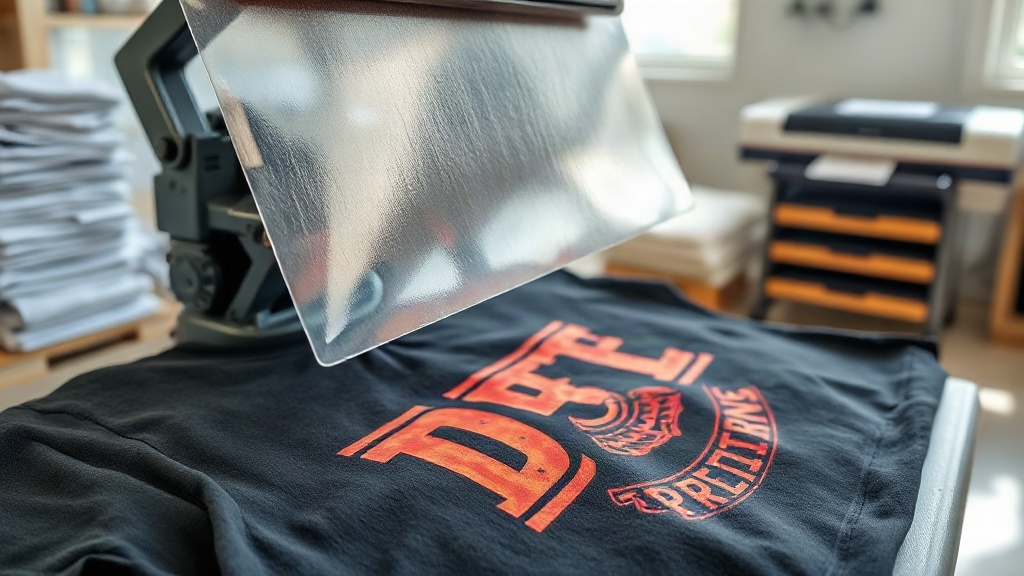
When I first heard about DTF transfers, I was skeptical. Could a printed film really bond to cotton, polyester, and blends without cracking? After testing dozens of shirts, I can say yes. DTF (Direct to Film) transfers have changed how small shops and hobbyists approach custom apparel. They offer vibrant colors, fine detail, and incredible durability. In this guide, I'll walk you through everything you need to know to get started with DTF transfers, from choosing the right materials to troubleshooting common issues.
What Are DTF Transfers?
DTF transfers are printed on a special film using water-based inks, then coated with a hot-melt adhesive powder. When heat-pressed onto fabric, the adhesive melts and bonds the ink to the fibers. Unlike vinyl or screen printing, DTF doesn't require weeding or multiple screens. You can print full-color images with gradients and fine lines in one go. The result is a soft, stretchable print that holds up wash after wash.
Why Choose DTF Over Other Methods?
If you've tried DTG or sublimation, you know their limitations. DTG works best on 100% cotton, while sublimation requires polyester. DTF works on almost any fabric, including blends, and even on dark colors without a white underbase. Plus, the setup cost is low. You don't need a screen or a dedicated printer; a modified inkjet printer and a heat press are enough. For small businesses and crafters, DTF offers flexibility and quality without breaking the bank.
Step-by-Step Guide to Applying DTF Transfers
Applying a DTF transfer is straightforward, but the details matter. Follow these steps for a professional finish.
1. Prepare Your Workspace
Set your heat press to the recommended temperature, usually 300-325°F (150-160°C). Pre-press the garment for 5-10 seconds to remove moisture and wrinkles. This step ensures the adhesive bonds evenly.
2. Position the Transfer
Place the DTF transfer on the fabric with the printed side up. If you're using a film with a clear carrier, the design should face you. Use heat tape if needed to keep it in place.
3. Press and Peel
Press with medium pressure for 10-15 seconds. Then, let it cool completely before peeling the film. Peeling while hot can cause the design to stretch or lift. Once cool, peel in a smooth, steady motion.
4. Post-Press for Durability
For extra durability, cover the design with parchment paper or a Teflon sheet and press again for 5-10 seconds. This step embeds the ink into the fabric and smooths any texture.
Choosing the Right Fabric and Transfer
Not all fabrics and transfers are created equal. Here's what to consider.
Fabric Types
- Cotton: Works great, but pre-wash to avoid shrinkage.
- Polyester: Use lower temperatures to prevent dye migration.
- Blends: Generally fine, but test first.
- Nylon and waterproof fabrics: May require special low-temp transfers.
Transfer Quality
Look for transfers with a consistent adhesive coating. Cheap films can cause uneven bonding or premature peeling. Also, check the ink coverage; vibrant, opaque prints indicate good quality.
Common Mistakes and How to Avoid Them
Even pros make mistakes. Here are the most common pitfalls and their fixes.
Incorrect Temperature
Too hot and the film curls; too cold and the adhesive doesn't activate. Always follow the transfer supplier's recommendations.
Insufficient Pressure
Low pressure leads to poor adhesion. Adjust your press until you feel firm resistance.
Peeling Too Soon
Patience is key. Let the transfer cool completely before peeling. If you're in a hurry, use a cold peel transfer.
Ignoring Fabric Pre-Treatment
Pre-pressing removes moisture and wrinkles. Skipping this step can cause the transfer to bubble or peel.
DTF vs. Other Printing Methods: A Quick Comparison
How does DTF stack up against DTG, screen printing, and vinyl?
- DTG: Best for cotton, but colors can be dull on dark shirts.
- Screen Printing: Cost-effective for bulk orders, but setup is time-consuming.
- Vinyl: Great for simple designs, but weeding is tedious.
- DTF: Versatile, detailed, and durable on almost any fabric.
Frequently Asked Questions
How long do DTF transfers last?
With proper application and care, DTF transfers can last 50+ washes. Avoid bleach and high heat when washing.
Can I use DTF on dark shirts?
Yes, DTF transfers include a white ink layer that makes colors pop on dark fabrics.
Do I need a special printer for DTF?
You can use a modified inkjet printer with DTF inks, or buy pre-printed transfers from a supplier.
What's the best way to store DTF transfers?
Keep them in a cool, dry place away from direct sunlight. Use them within six months for best results.
Can I stretch DTF prints?
Yes, DTF prints are stretchable, but avoid overstretching to prevent cracking.
With these tips, you're ready to dive into DTF transfers. Whether you're a hobbyist or a growing business, this method offers endless possibilities for custom apparel. Experiment, practice, and enjoy the process.